A two-car garage may have one wide door or two separate doors. How wide are 2 car garage doors? The answer depends on the clear opening, vehicles, parking space, and garage structure. Measure the opening and consider daily use before choosing a replacement for your Duncan home or property.
Table of Contents
- How wide are two-car garage doors?
- What is the difference between one double door and two single doors?
- How do you know what door width your garage needs?
- How much space should you leave between two parked cars?
- How do vehicle size and parking habits affect door width?
- What garage door height and headroom should you consider?
- What structural features can limit the width of a garage door?
- Should you choose a wider door for a new garage?
- Can you replace a two-car garage door with a different width?
- How can you confirm the right two-car garage door size?
- Frequently Asked Questions
How wide are two-car garage doors?
A two-car garage can have one double door or two single doors. Many double doors are about 16 feet wide, while some are 18 feet wide. Single doors are often 8 or 9 feet wide. These are common sizes, but they do not tell you whether a door will fit your garage.
The door size and the clear opening are not always the same. The clear opening is the usable space between the finished sides of the doorway. Trim, framing, tracks, and the way the door is fitted can affect that space. A door chosen by its label alone may leave too little room for your vehicles.
Common single-door widths for two-car garages
Two single doors sit next to each other, with a section of wall or a post between them. Each vehicle has its own entrance. The total space depends on both openings and the width of the center section. Do not treat two separate openings as one large opening when planning a door.
One wide door makes a shared entrance for both parking spots. It can be useful when vehicles enter at different angles or move between sides. But the opening needs the right framing, track space, and opener. The garage structure matters as much as the door size.
Why the actual opening may differ from the door size
A door’s listed size describes the door panel, but the whole installation needs more than the panel. The frame, side room, ceiling height, and track setup all matter. An installer can check these details before a door is ordered, especially when replacing an older one.
Duncan Garage Door Repair can help property owners check an opening before choosing a door. This can lower the chance of ordering a door that does not fit. It can also show whether the current layout can stay or needs a closer review. In Duncan, a careful check helps keep the choice tied to the building and daily use.
What is the difference between one double door and two single doors?
One double door covers a shared opening for both vehicles. Two single doors make separate openings, often with a post or wall between them. Neither choice works best in every garage. The building, parking habits, and daily needs should guide the decision.
How each layout uses the garage opening
A double door gives drivers one wide opening to use. It may make it easier to enter either parking space. The garage still needs enough clear width and proper support for the door. The door, opener, and tracks must all suit the opening.
Two single doors divide the front of the garage into separate spaces. This can work well when each vehicle has its own usual spot. The center section may limit how close the cars can park, but it separates the entrances. If one door needs service, the other may still work, depending on the issue and setup.
Practical trade-offs in access and operation
A double door may feel simpler when a driver needs to turn into either spot. Its larger panel needs suitable hardware and may be more affected by wind. Two single doors give each vehicle a separate entrance, but they need two door systems and enough wall space between them.
The existing structure may decide which layout is possible. A garage with one wide opening may not have support for two separate doors without changes. A garage with a center post may not suit one wide door until the support is checked. Have an installer review the framing before changing the layout.
For a business or rental property, think about how people use the garage. Separate openings can help keep vehicle movement organized. A shared opening may work better when vehicles need to enter from either side. Choose what suits the building and everyday use, not only the front view.
How do you know what door width your garage needs?
Begin with the clear opening, then think about the vehicles and how people use the garage. Do not choose a door only because it is called a two-car door. Your opening may be wider or narrower than expected, and trim or framing can change the usable space.
Measuring the clear opening
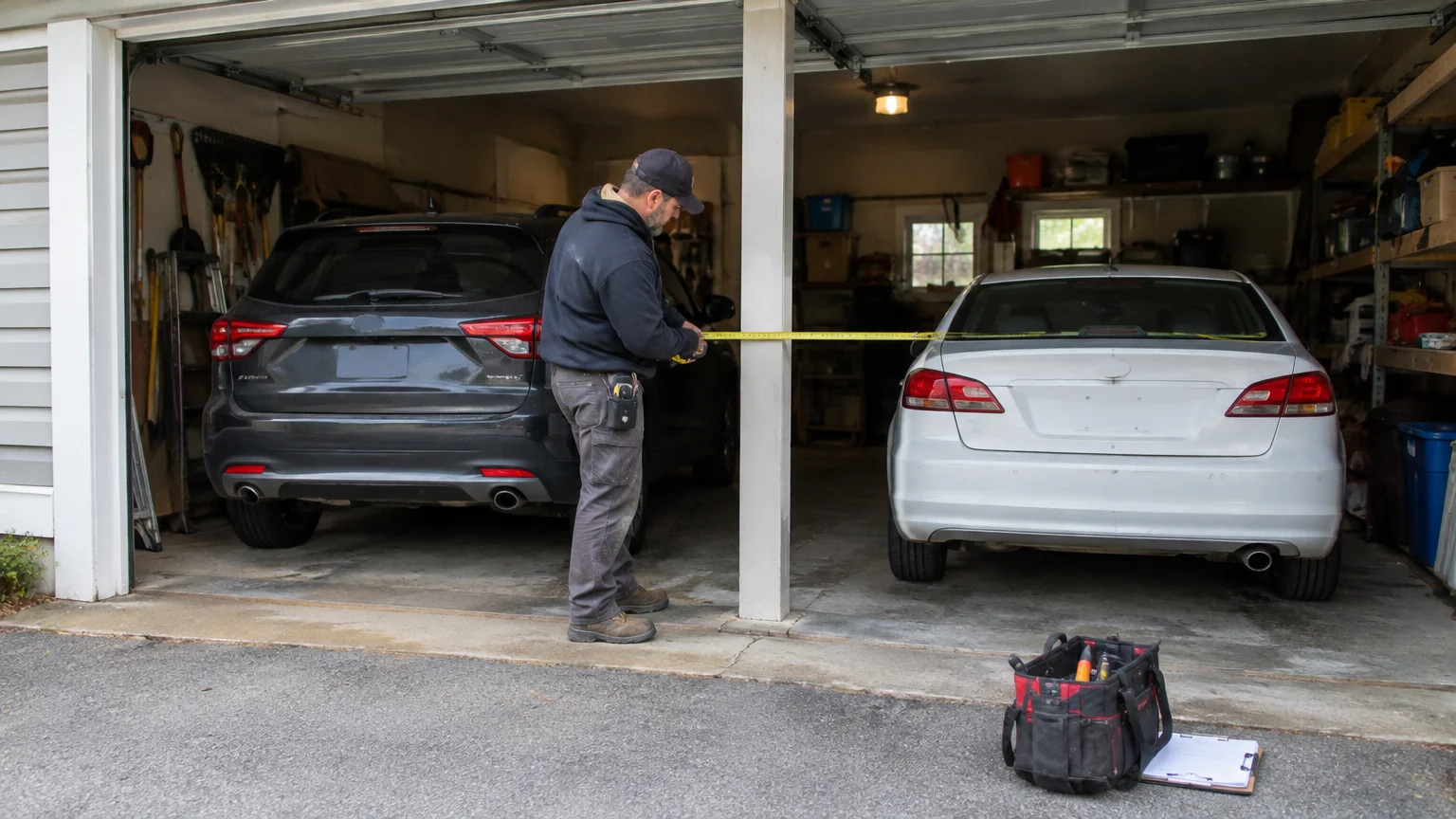
You can take basic measurements from the ground if the area is clear. Do not climb near the door or touch its parts. Measure between the inside edges of the opening, not across the outer trim. Also measure the height, since width alone cannot confirm the right fit.
Write down the space beside and above the opening, too. Side room is the clear wall space next to the opening. Headroom is the space between the top of the opening and the ceiling or another object. These areas help show what tracks and opener may work.
A tape measure gives useful details, but it cannot confirm support or installation fit. Tell an installer if the opening is uneven, the floor slopes, or the old frame looks damaged. Do not remove trim or change framing just to make measuring easier. A safe, simple check is enough for your part.
Accounting for vehicles, mirrors, and everyday access
Think about the widest vehicle that will enter the garage. Include its side mirrors and room to turn without hitting the frame. Also think about space for people to walk around the vehicles, open doors, help children, or carry bags and tools.
Park the vehicles where they normally sit and check the room on both sides. This helps with planning, but it does not replace measuring the opening. If the cars fit only when parked with great care, talk about a wider door or a different parking plan.
Homeowners can ask Duncan Garage Door Repair to review the opening and explain which door styles may work. Bring the opening measurements, vehicle sizes, and storage plans to the discussion. This helps keep the advice focused on real daily needs. The final choice should work when the garage is in use, not only when it is empty.
How much space should you leave between two parked cars?
Leave room for both vehicles to enter, park, and open their doors without hitting a wall or another car. There is no one gap that fits every garage. Vehicle width, mirror size, door shape, and how people get in and out all affect the space needed.
Planning clearance for doors and walkways
Think about the whole routine, not only whether both cars fit inside. Drivers may need room to open doors, reach a child seat, or carry a bag. You may also need a path to the house door, shelves, or a work area.
Try parking both vehicles in their usual places. Check whether people can get out safely and open doors without hitting anything. If the garage feels tight, one vehicle may need to use a different spot. You might also need to change where the cars park.
A wider garage door does not always make more room between parked cars. The inside width, wall storage, and center post affect where the cars can sit. A garage may have a wide entrance but narrow inner walls. That can limit parking even when both vehicles pass through the opening.
Allowing room for storage and other garage uses
Storage can take away space that vehicles need. Cabinets, bikes, bins, lawn tools, and workbenches all need a safe place. Items that stick out near a car can catch a mirror or block a walkway. Plan where these things will go before settling on a door layout.
A garage may also be a workshop, a way into the home, or a place for outdoor gear. Keep the path to the house clear. Do not place heavy items where they could fall onto a car or door track. A tidy layout can help even when the opening cannot be made wider.
If two vehicles barely fit, changing the door may not solve the main issue. The problem may be the inside layout or the way the vehicles are parked. An installer can explain what a new door can change and what it cannot. That helps set clear expectations before you choose a replacement.
How do vehicle size and parking habits affect door width?
A small car may pass through an opening that feels tight for a large SUV or truck. The right width depends on the widest vehicle and how it approaches the garage. Drivers who turn as they enter need more room than drivers who line up first.
Choosing for cars, SUVs, trucks, and changing needs
Check the width of the widest vehicle, including its mirrors. Think about roof racks, trailer hitches, or other gear that may affect movement. A truck may need more care when turning or backing, even if its body seems to fit through the opening.
Think about possible changes, too. A small car may be replaced with a larger one, or a property may have new tenants with different vehicles. Choosing a door for only the smallest car can make daily use harder later. A wider door helps only when the garage can support it.
Property owners should also think about who uses the garage. Several drivers may have different habits and skill levels. A comfortable opening can make it easier to line up, but drivers still need a clear view and safe approach. Keep clutter away from the door area.
Planning for angled or frequent vehicle access
A narrow driveway, nearby fence, or tight turn can affect how a vehicle enters. A driver may need to turn before reaching the opening, making the usable space feel smaller. If the garage is used often, a small clearance problem may become frustrating.
Watch how vehicles enter during normal use. Notice whether drivers need several turns or fold their mirrors to pass. This can help show if the problem is the opening, the driveway angle, or the parking plan inside. Share what you see when asking about a replacement.
A wider opening may help, but making one wider can need framing and support work. Have an installer assess the building before planning any change. If the structure cannot be changed, a different parking plan or vehicle may be a safer choice. This keeps the door and the building safe.
What garage door height and headroom should you consider?
Door height matters as much as width. The door must clear the tallest vehicle and fit the opening, while the tracks need room above and beside it. Headroom means the space above the opening that lets the door move along its track.
Checking door height alongside width
Measure the opening height and consider the vehicles that use the garage. A tall vehicle, roof rack, or items carried on top may need more room. Check whether the floor slopes or the opening height changes from one side to the other.
Do not assume that a door with the right width will fit. Height, track path, and ceiling objects can affect the system. Lights, beams, pipes, and storage racks may block the door’s path. A qualified installer can check these details as part of a fit review.
Understanding headroom and ceiling clearance
The track system needs room above the opening and along the ceiling. The exact space depends on the door, hardware, opener, and garage. Low headroom does not always rule out a replacement, but it can limit the styles and setup that will work.
Look for objects in the way without touching the door or its parts. Do not move a track, spring, cable, or opener to make space. Springs and lift cables can be under high tension. Mishandling them can cause serious harm, so trained workers with the right tools should handle them.
A door that does not suit the opening may leave gaps or fail to move well. A professional can assess the opening, ceiling, and hardware together. This is useful when the ceiling is low or a vehicle is unusually tall. A good fit can also help the door close evenly and limit gaps.
What structural features can limit the width of a garage door?
Garage framing, side walls, and support above the opening can limit the door width. Tracks and the opener need room, too. Do not order a larger door until someone checks whether the opening and nearby structure can safely support it.
Side room, framing, and support requirements
Side room is the space beside the opening where tracks and hardware may sit. Shelves, pipes, wall corners, or a narrow side wall can reduce that space. The shape and condition of the frame matter as much as the opening size.
The header is the support across the top of the opening. A wider opening may need a different support plan, depending on the building. A center post may support the structure between two doors. Do not remove or change either part without a proper review.
Homeowners can look for visible damage, such as cracked framing, water marks, or loose trim. Do not cut, drill, or remove structural parts to test them. A contractor or garage door professional can explain what needs review. They can also say if a building expert should check the work.
How tracks and the opener affect available space
Tracks guide the door as it opens and closes. The opener moves the door and needs a suitable place to mount. Low ceilings, beams, storage, or an unusual roof shape can affect where these parts fit.
A door that is off track, noisy, or uneven should not be forced open. A damaged track or worn part can make the door unsafe. Garage Door Off Track Repair may be needed before anyone can safely review a replacement. If a cable is loose or broken, Garage Door Cable Repair is a separate safety concern.
You can keep the area around the door clear and note any odd sounds or movement. Do not adjust springs, cables, or bottom brackets. These parts can release force without warning. A trained worker can check them and explain whether repair or replacement is the right next step. Garage door safety comes first.
Should you choose a wider door for a new garage?
A wider door can make entry easier, but it must suit the garage structure and how people will use the space. Think about current vehicles, possible future vehicles, and the driveway approach. Wider is not always better if it takes away wall space or needs major building work.
Balancing comfortable access with the available structure
Start with the building plan and the vehicles that will use the garage. A wider opening may help drivers turn or park. It may also leave less room for walls, storage, or a separate entry door. Consider the whole front of the garage before choosing.
The frame and support must suit the planned opening. A builder or installer can review the design before work starts. It is easier to deal with this during planning than after the walls are finished. Do not use a door size alone to decide what the structure can hold.
Think about how the door will look with the home. Windows, panel style, and color can change its appearance without changing its width. The best garage door is one that suits both access and the home. The opening, tracks, and hardware must still work together.
Considering future vehicles and resale needs
A garage may serve other owners or tenants later. A door that works for different common vehicles can make the space easier to use. Still, the design should fit the site and local rules, not a guess about what someone may want in the future.
Duncan Garage Door Repair can explain how door width, height, and layout affect everyday access. A review can also point out limits before plans are final. The goal is a useful fit, not simply the widest door available. In Duncan, local property owners can consider their actual driveway and garage layout.
When planning a new garage, ask the builder and door installer to work together. They can review the opening, support, ceiling, and driveway approach. This can help avoid a door that fits on paper but leaves too little room for vehicles or daily tasks. Plan the door as part of the whole garage.
Can you replace a two-car garage door with a different width?
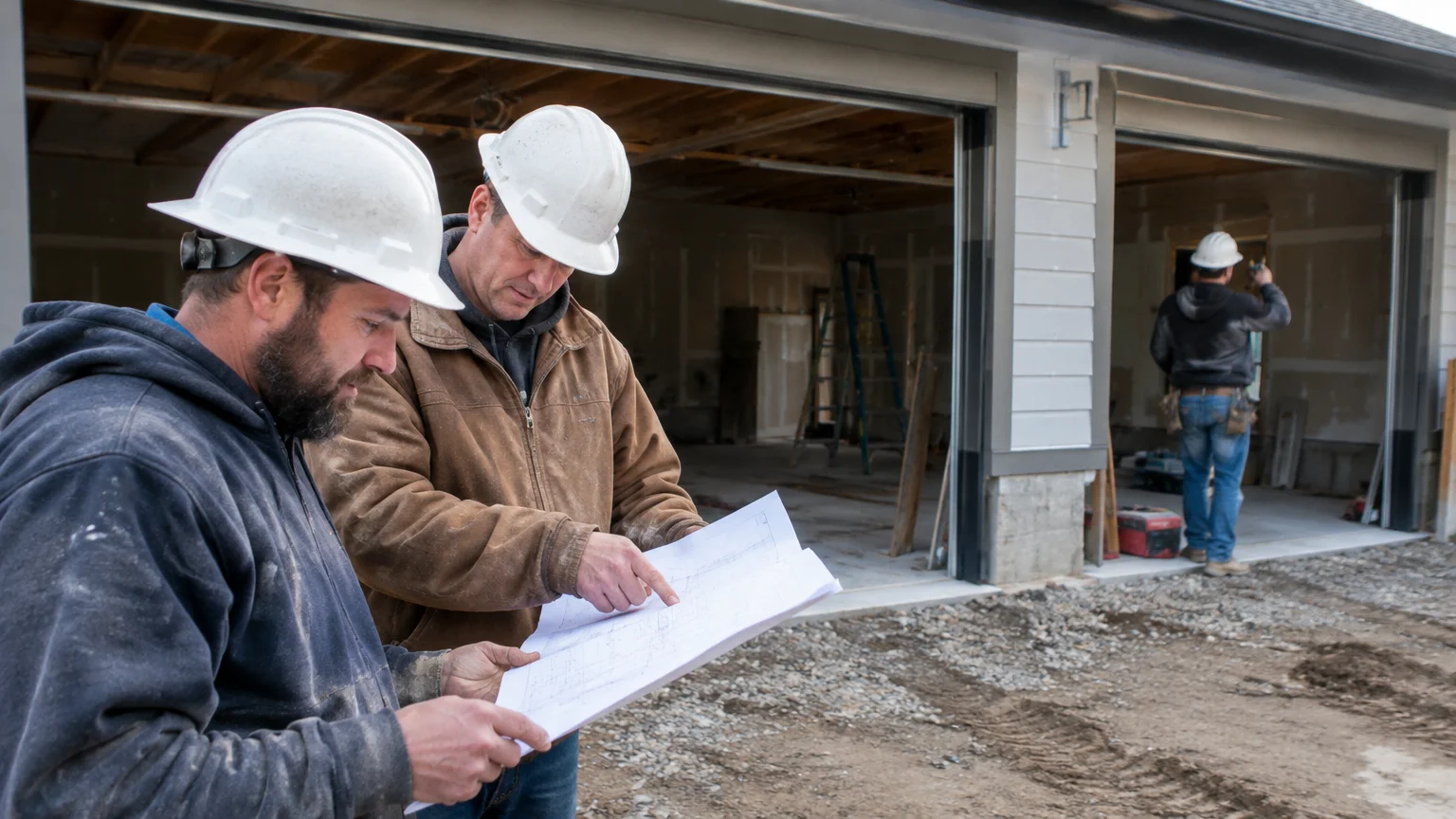
Sometimes an existing opening can take a different door, but the opening and support must suit it. A narrower door may need changes to the frame and seals. A wider door may need building work. Have a professional review the garage before ordering a new size.
When an existing opening can accommodate a new door
A replacement may be simple when the opening, frame, side room, and ceiling suit the new system. The door also needs tracks, hardware, and an opener that work with it. A professional can check the measurements and parts before confirming the fit.
If the opening stays the same, you may still choose a different panel style, material, or window design. These choices can change the look without changing the opening. The door must still suit the garage and follow the maker’s instructions.
A damaged panel does not always mean the whole door must be replaced. The type of damage, age of the door, and access to matching parts all matter. A professional can discuss panel repair, panel replacement, or a whole new door. Do not try to remove a panel while the door is under tension.
When changing the opening may require structural work
Changing the opening width can affect the frame and support above or beside it. Removing a center post or cutting a wall can change how the building holds weight. This is not a simple door change and should not be a do-it-yourself task.
The work may affect siding, trim, wiring, or nearby doors. Local permits or building rules may apply, depending on the job and location. A qualified contractor can check the rules and plan any needed work before installation.
You can gather measurements and take photos from a safe place. Do not remove trim, cut framing, or loosen door parts. After the opening is reviewed, a door professional can explain the options and any limits in plain words. Ask questions if any part of the plan is unclear.
How can you confirm the right two-car garage door size?
Check the clear width and height, side room, headroom, vehicle clearance, and the frame before ordering. The door size alone does not show whether the full system will fit. A careful review can help prevent a mismatch and support safe operation after installation.
Measurements and details to have ready
Write down the opening width and height, plus the space beside and above it. Note ceiling objects, visible frame condition, and whether the garage has one opening or two. Add the widest vehicle’s size and any access issues, such as a tight driveway turn.
Photos can help show the opening and nearby space, but they do not take the place of an on-site check. Include views of the ceiling, side walls, and parking area. Mention any uneven movement, loud sounds, gaps, or damage from the current door.
You do not need to find the cause of spring, cable, or opener problems. A safe visual check and clear notes are enough. If the door looks crooked, has a loose cable, or will not stay in place, keep people away and arrange professional help. Do not pull or force the door.
Key takeaways
- A two-car garage can have one double door or two separate single doors.
- Common door widths vary, so check the actual opening before choosing.
- Vehicle size, mirrors, parking habits, and storage affect easy access.
- Side room, headroom, tracks, framing, and support can limit door choices.
- Spring, cable, and bottom-bracket work is hazardous and belongs to trained workers.
Conclusion
The right two-car garage door fits the opening, vehicles, and structure. Measure the clear space, consider daily parking, and ask for a review before ordering. Duncan Garage Door Repair can help property owners understand the choices and plan a suitable replacement. Garage doors won’t all fit the same way, so check your opening before making a decision.
If you need help confirming a door size or reviewing a replacement, Contact us today.
Frequently Asked Questions
Are two single garage doors better than one double door?
It depends on the garage and how people use it. Two single doors make separate openings and may suit vehicles with regular parking spots. One double door creates a shared opening that may allow more flexible entry. Let the framing, center support, tracks, and driveway guide the choice.
Can two cars fit through a 16-foot garage door?
Some two-car garages use a 16-foot-wide double door, but the fit depends on the vehicles and opening. Mirrors, turning room, wall clearance, and the inside width all matter. Check that both vehicles can enter and park without touching each other or the walls.
Is a wider garage door always easier to use?
No. A wider opening may help with larger vehicles or a tight approach, but the building must support it. It may also take away wall space or need frame changes. Think about the driveway, parking area, tracks, and ceiling before choosing a wider door.
Can a homeowner measure a garage door opening?
A homeowner can safely record the clear width and height from the ground, along with visible side room and headroom. Do not climb near the door or touch springs, cables, or brackets. A professional should confirm the full fit, especially if the frame is uneven or you want a different size.
Should a damaged door panel be repaired or replaced?
The answer depends on the damage, the door’s condition, and whether a matching panel is available. A professional can check the door and explain whether panel repair, panel replacement, or a full replacement makes sense. Do not remove a panel yourself, because door parts may be under tension and move suddenly. To learn how secure are the door and its parts, have visible damage checked rather than trying to test them yourself. Duncan Garage Door Repair can help explain the condition and next steps.
If you are not sure what you are dealing with, it is worth having someone look at it before it turns into a bigger job. Get in touch with Duncan Garage Door Repair today and we will tell you where you stand.