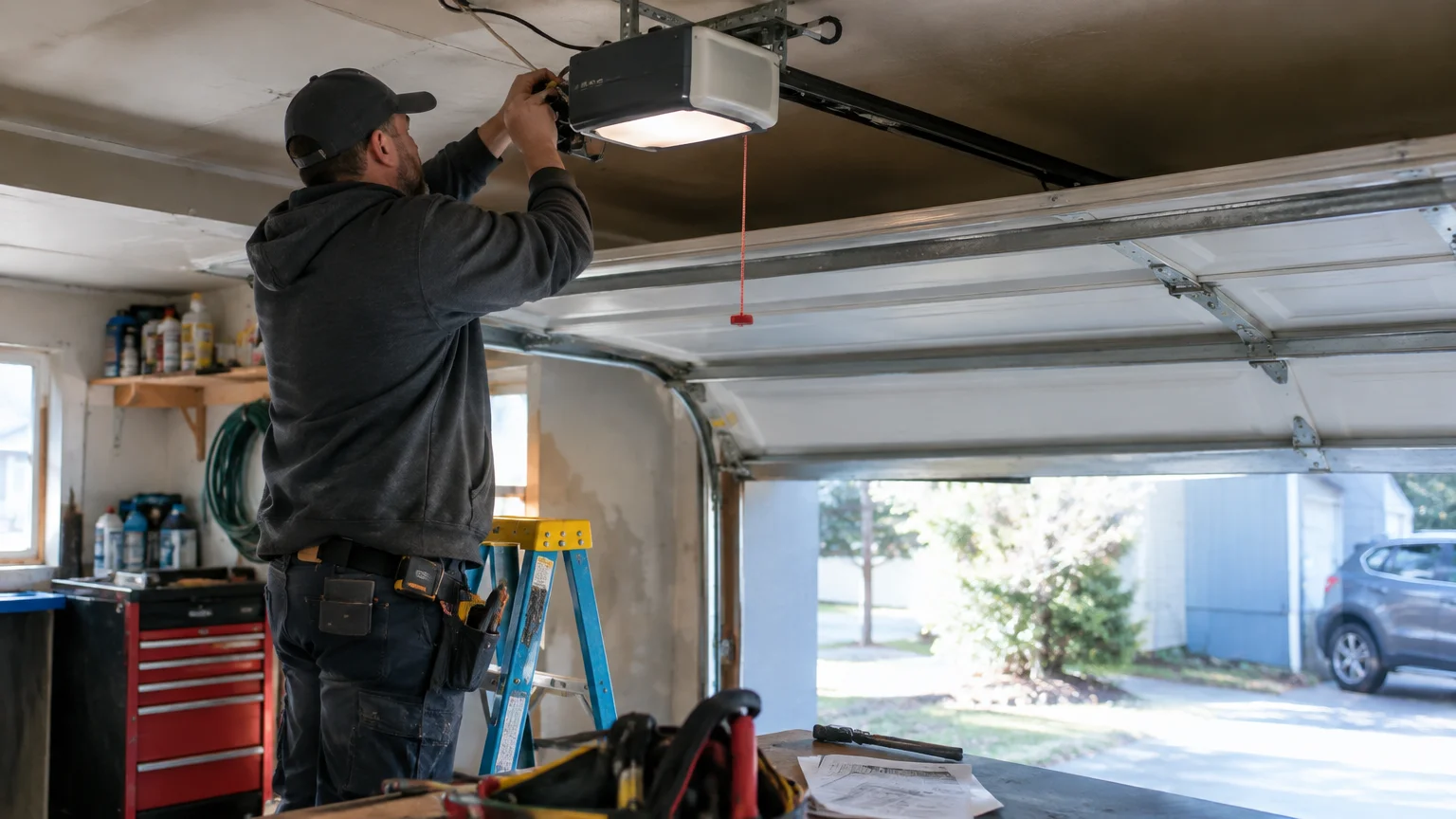
Changing garage door opener usually starts with checking the door, removing the old unit, fitting a compatible model, and testing all safety parts. The right opener must match the door’s weight, size, balance, and daily use. Professional fitting helps provide smooth movement, safe access, and reliable operation.
A failing opener can make a home or business feel stuck and less secure. The door may move slowly, stop halfway, make new sounds, or fail when someone needs to leave. Duncan Garage Door Repair helps property owners decide when repair is enough and when replacement makes more sense.
Table of Contents
- When should you replace a garage door opener?
- What does changing a garage door opener involve?
- How do you choose the right garage door opener?
- How long does it take to replace a garage door opener?
- What should you expect during a professional opener installation?
- How long does a garage door opener last?
- What should you do after changing a garage door opener?
When should you replace a garage door opener?
A garage door opener may need replacement when it fails often, lacks current safety parts, or cannot lift the door well. One small fault may only need repair. Repeated faults can point to an old motor, worn drive parts, bad wiring, or a unit that does not suit the door.
Signs the opener is reaching the end of its service life
Some warning signs are easy to spot. The opener may hum without lifting the door, reverse for no clear reason, or work only after several tries. The remote may stop working even after its battery is changed. A door that opens on its own is a serious security concern and needs quick attention.
Other signs include loud grinding, shaking, a burning smell, and lights that flicker. The opener may also lack rolling-code security, battery backup, or smart control. Rolling-code security changes the access code after each use. These features do not suit every property, but they may improve garage door safety and daily peace of mind.
A door that has come off its tracks has a different fault. Garage Door Off Track Repair may be needed before anyone checks the opener. Do not use the opener to force a crooked, blocked, or partly fallen door.
When a repair may be enough instead
Repair may be right when the opener is in fair shape and the cause is clear. A broken remote, loose wire, worn gear, failed sensor, or damaged wall button may not need a new motor. Homeowners can safely clean the photo-eye lenses and check that nothing blocks the door path.
The door itself also needs a close look. A weak garage door spring, damaged cable, or poor balance can make a sound opener seem faulty. Garage Door Cable Repair should be left to a trained worker because lift cables can hold strong force. Duncan Garage Door Repair helps property owners separate an opener fault from a wider door problem.
What does changing a garage door opener involve?
Changing a garage door opener means more than swapping one motor for another. The installer checks the door, support points, wiring, travel path, and safety parts before fitting the new unit. This helps stop a new opener from working against a damaged or badly balanced door.
Removing the existing opener and checking the door system
The old opener is turned off and disconnected from power. It is then separated from the door. The installer checks the rail, brackets, drive system, hinges, rollers, springs, cables, and bottom brackets. A spring or cable under tension can cause serious injury without the right tools and training.
The door should move freely by hand when it is safely separated from the opener. If it feels very heavy, sticks, or drops, the opener is not the main problem. The door needs trained service before a new motor is placed under load.
The ceiling structure is checked too. A new unit needs a firm mounting point. Drywall alone may not hold it safely. The outlet location and rail path can also change the work needed.
Installing and connecting the new opener
The new opener is joined to its rail and secured to strong framing. The arm is connected to the door. Travel limits are set so the door opens and closes without pushing too far. The work may also need new brackets, wires, or a wall control.
Safety sensors are placed near the bottom of the door opening. These sensors help stop or reverse the door when something crosses the beam. The installer checks the light, wall button, remotes, keypad, and backup battery when the model has one.
A smart garage door opener may need a home network connection. The owner should use the maker’s official app and a secure account. Duncan Garage Door Repair can explain the controls in plain words before leaving the property.
How do you choose the right garage door opener?
The right opener must match the door, building, and owner’s daily needs. Door size, weight, balance, ceiling height, noise, and power access all matter. Choosing a unit by looks alone can lead to poor lifting, early wear, or a fit that does not work.
Drive types, lifting capacity, and door compatibility
A chain drive uses a metal chain and is often picked for strength. It may make more sound than other types. A belt drive uses a strong belt and is often quieter. It may suit a garage below a bedroom or beside a living area.
A screw-drive unit uses a threaded rod and may have fewer moving parts. A wall mount garage door opener sits beside the door instead of on the ceiling. It can help when ceiling space is limited, but the door and spring system must suit that design.
The opener must fit the door’s size and weight. A single-car door and a wide custom door may need different lifting power. Insulated doors, solid wood doors, and doors with added hardware can place different demands on the motor.
The opener must also match the spring system and door balance. It should never hide a damaged spring or cable. When the door needs more than opener work, Garage Door Installation or Garage Door Opener Repair may be the better service path.
Safety, security, and smart-home features
Modern openers may include rolling-code security, motion lights, battery backup, and app alerts. Battery backup may help the owner open the door during a power failure when the model and setup support it.
Smart controls can show whether the door is open. They may also let an approved user operate it from a phone. Use strong account protection and remove access for people who no longer need it. Features should solve a real need instead of adding confusion.
How long does it take to replace a garage door opener?
Most standard replacements can be completed during one service visit, but the time depends on the door and work area. A simple swap may be quicker than a job needing new supports, wiring, sensors, or door repair. The installer can give a better time estimate after checking the system.
Factors that affect the installation time
The old opener may come off quickly when its fasteners and wires are in good shape. The work may take longer when the rail is damaged, the ceiling is hard to reach, or the new model has a different mounting layout. High ceilings, tight storage areas, and poor lighting can also slow safe work.
The door’s condition matters just as much. A bent track, worn roller, weak spring, or damaged cable should not be ignored. A new opener cannot safely correct a door that does not move well by itself.
The selected features may add setup time. Smart controls need network pairing. A keypad needs a new code. Battery backup, extra remotes, and a wall-mounted design may require more checks.
What may require additional preparation
The installer may need to strengthen the ceiling or add a suitable outlet. Older homes may have wiring that needs review. The work area should be clear of boxes, tools, vehicles, and stored items before the visit.
Tell the installer about unusual door behavior. Useful details include when the problem began, whether the door reverses, and whether the opener works from the wall but not the remote. These details help guide the first check.
If the door is stuck, off track, or partly open, do not pull hard on it. Do not disconnect parts under tension. Emergency garage door repair can help restore safe access while limiting further damage.
What should you expect during a professional opener installation?
A professional opener installation should include inspection, fitting, adjustment, and testing. The installer should not only make the motor run. The whole door system should work together, and the owner should understand the basic controls before the job ends.
Safety checks and adjustments after fitting
The installer checks the door’s balance, travel path, mounting points, and attachment arm. The opener’s travel limits and force settings are adjusted for the door. These settings help the unit stop at the right points and respond when it meets resistance.
The photo-eye sensors are tested near the floor. The reversing action is also checked with a safe test method. The owner should not change force settings without guidance. Poor settings can create a garage door safety risk.
The installer looks for loose hardware, rubbing parts, strange shaking, and signs of strain. If the door has a spring or cable fault, work may pause until that danger is handled. This protects the new opener and the people using the door.
Testing remotes, wall controls, and safety sensors
Each remote should operate the door from a suitable distance. The wall control should start and stop the opener correctly. The keypad should accept its new code and reject a wrong one. Car controls should be paired by following the vehicle and opener directions.
The owner should learn how to use the manual release. This can allow the door to move during a power failure when the system permits it. The owner should also know where the opener light, battery, and safety sensors are located.
After changing garage door opener, keep the area clear during testing. Children and pets should not play near the moving door. Garage Door Maintenance can help keep the system clean, secure, and easier to watch over time.
How long does a garage door opener last?
A garage door opener can last for many years, but no single life span fits every property. Use, door weight, balance, moisture, dust, shaking, and installation quality all affect service life. A lightly used opener may last longer than one lifting a heavy door many times each day.
Factors that affect opener lifespan
A balanced door puts less strain on the motor and drive system. A door with worn rollers, tight tracks, or a weak spring makes the opener work harder. Repeated stops, jams, and forced use can also wear gears and electronic parts.
The garage setting matters too. Dust, damp air, heat, and poor air flow may affect the motor and circuit board. A firm mounting system helps limit shaking and keeps the rail in line.
The opener’s age is only one part of the choice. A newer unit may help when the old one lacks safety features, has old controls, or needs the same repair again and again. Garage Door Opener Repair may help when the fault is limited and the rest of the system remains sound.
Maintenance that can help prevent early failure
Homeowners can handle simple upkeep themselves. They can keep the door path clear, wipe photo-eye lenses with a soft cloth, replace remote batteries, and watch for new sounds or slow movement. They can also look at visible bolts and brackets without touching springs, cables, or bottom brackets.
A homeowner should not adjust torsion springs, extension springs, lift cables, or bottom brackets. These parts can store strong force. A mistake may make the door fall or send metal parts outward at high speed.
A trained worker can inspect the system when the door becomes noisy, uneven, or hard to move. Early care may prevent a small opener fault from becoming a wider access or security problem in Duncan.
What should you do after changing a garage door opener?
After changing garage door opener, test every control and learn the basic safety steps. The door should open and close smoothly, stop at the right points, and reverse when the safety system finds an obstruction. Report any odd sound, delay, or movement quickly.
Programming remotes, keypads, and connected controls
Remotes and keypads should be programmed using the model’s directions. Remove old remote codes when ownership changes or a remote is lost. A keypad code should not be easy for a stranger to guess.
For a connected opener, use a private account and check who has access. App alerts can show when the door opens or closes. Keep the app and phone protected with current security settings.
Use the manual release only as directed. Keep the door closed when the garage is unattended. If the opener stops working, check the power supply, wall control, remote battery, and sensor alignment. Do not force the door or touch high-tension parts.
Key takeaways for safe and reliable operation
- A new opener must match the door’s size, weight, balance, and support system.
- A repair may be enough when the fault is limited to a remote, sensor, or small part.
- Springs, cables, and bottom brackets need trained service because they can hold dangerous force.
- Remotes, keypads, safety sensors, and smart controls should all be tested after fitting.
- Clear the door path and arrange Garage Door Maintenance when warning signs return.
Frequently Asked Questions
Can a homeowner replace a garage door opener?
A homeowner can handle simple checks, such as cleaning sensor lenses and replacing remote batteries. Replacing the opener involves mounting, wiring, travel settings, and safety tests. Professional help is safer when the door is heavy, off track, poorly balanced, or linked to springs and cables under tension.
How do you know which garage door opener fits your door?
The opener must match the door’s size, weight, balance, ceiling layout, and use. The drive type also affects sound and mounting. A belt drive may suit a quiet home, while a wall mount may suit a garage with little ceiling space. An installer can check compatibility before fitting.
Is it better to repair or replace an opener?
Repair may be better when the opener is in good condition and has one clear fault. Replacement may make more sense when failures repeat, parts are worn, safety features are missing, or the unit cannot handle the door. The choice should include the springs, cables, tracks, and balance.
Can a new opener work with an old garage door?
A new opener can often work with an older door if the door is the right size, balanced, and in sound condition. The opener should not be fitted to a door that binds, falls, or needs too much force. The door may need repair before the new unit is installed.
What happens if a garage door opener stops working after installation?
The owner can check whether the opener has power, whether the remote battery works, and whether anything blocks the safety sensors. Do not force the door or adjust springs and cables. If basic checks do not help, Duncan Garage Door Repair can inspect the opener and door system in the main Duncan area, including Dixie Park, Oklahoma Hills, Empire City, Comanche, Marlow, Velma, and nearby communities.
Conclusion
Replacing an opener can restore smooth access and improve daily security, but the opener is only one part of the garage door system. Careful product choice, safe fitting, correct testing, and simple upkeep all matter. Duncan Garage Door Repair helps homeowners and property owners across Duncan choose between repair and replacement.
Contact us today for urgent help with changing garage door opener and restoring safe, reliable access.