A smart garage door opener lets you check and control a compatible garage door with an app. It may send alerts when the door moves and keep a record of activity. The right model must fit the door, connect to your home network, and still allow safe manual use.
At Duncan Garage Door Repair, homeowners and property owners can compare connected features with their door’s needs. Smart controls may make daily access easier, but they cannot fix a worn door or make an unsafe opener safe. In Duncan, checking the door and network first can help you choose a system that works well.
Table of Contents
- What does a smart garage door opener actually add?
- How does a smart opener connect to your garage door?
- What should you check before choosing a smart opener?
- Which opener drive type works best with smart features?
- How secure and dependable are smart garage door openers?
- What is involved in installing and setting up a smart opener?
- When is a smart opener worth choosing, and when is it not?
- Frequently Asked Questions
What does a smart garage door opener actually add?
A smart opener adds app control and information about door activity. Depending on the model, you may check whether the door is open, close it from a phone, or get an alert when it moves. These tools help a household keep track of garage access without relying only on a handheld remote.
Remote monitoring and control
A connected opener usually works with an app on a phone or tablet. If the garage has a network connection, the app may show the door’s status and let an approved user operate it from elsewhere. This can help when someone is unsure whether the door was left open or needs to let in an expected visitor.
Remote control does not replace watching the door close. Keep people and objects clear, and check that the door has shut all the way. A phone command may not tell you that a child, pet, or item is in the door’s path. That depends on the system’s sensors and alerts.
Alerts, schedules, and activity history
Some systems send alerts when the door opens, closes, or stays open. Some also offer schedules or an activity history. Features can differ by product, app, and subscription terms, so check what comes with the model. A history may show when access happened, but it may not say who used the door.
These tools help most when they meet a real daily need. A family may want alerts when children arrive home, while a small business may check a delivery entrance. Duncan Garage Door Repair helps Duncan property owners weigh these features against safe operation and dependable access.
How does a smart opener connect to your garage door?
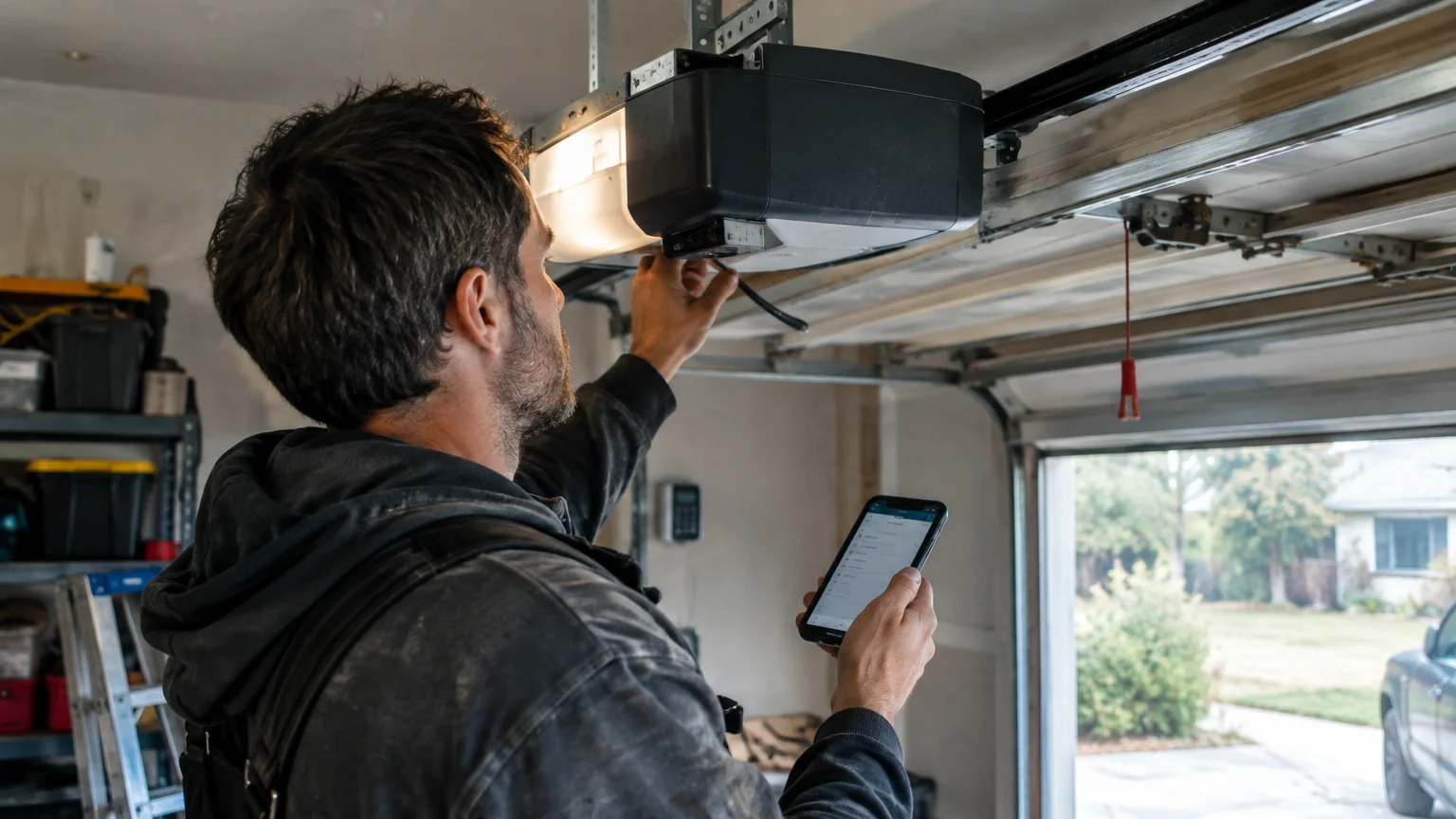
A smart opener links the garage door’s motor to an app through built-in Wi-Fi or a separate smart controller. The opener moves the door, while the app sends commands through the home network. Setup depends on the product and whether the current opener can use connected controls.
Built-in Wi-Fi versus a smart controller
A model with built-in Wi-Fi has its network link inside the opener. A smart controller is a separate device that works with a compatible opener already in place. A controller may suit a working motor, but you must check that the two devices can work together before buying one.
A controller will not work with every older opener. Some systems need a certain wall control, safety sensor, or opener response. The product maker’s compatibility list is the best place to check. If the details are not clear, a garage door opener repair professional can look at the current setup and explain your options.
How the opener, app, and home network work together
The app sends a command over the internet to the opener or controller. That device then tells the opener to move the door. Updates about the door travel back through the network to the app. A weak Wi-Fi signal in the garage can break this link, even when your phone works well in other rooms.
Some systems also work with voice assistants or other smart-home tools. Features vary, and each person may need to be added for shared access. Keep the app and device software current, and follow the maker’s instructions. Smart control is an extra way to use the door; it does not replace a wall control, remote, or manual release.
What should you check before choosing a smart opener?
Check the door, current opener, and garage network before choosing a smart model. A new opener must suit the door’s size, weight, balance, and hardware. It also needs a steady connection and app features that fit how your household or business will use it.
Door type, size, balance, and opener compatibility
The opener must be made to move your door. A light single door may need different support from a large, heavy, or often-used door. The door should also move smoothly and stay balanced. A door that is out of balance can strain the opener, so a smart upgrade should not hide a repair need.
Compatibility involves more than the motor. The rail, mounting space, safety sensors, wall control, and wiring can affect which models fit. If the door sticks, hangs unevenly, or starts making new sounds, have it checked before choosing an opener. Garage Door Maintenance can help find wear that may affect a new system.
Wi-Fi coverage, app support, and smart-home integration
A phone’s signal inside the home does not prove that the garage has strong Wi-Fi. Check the signal where the opener will sit, then review the maker’s app and connection needs. A system that often loses its link may not send steady alerts or allow reliable remote control.
Think about who needs access and how you will manage it. The app should make it easy to add or remove users, review activity, and change account access. If the garage is part of a business, decide who needs access during work and who can change settings. Keep a working remote or wall control as a backup.
Which opener drive type works best with smart features?
Smart features can work with several drive types. The drive choice mostly depends on the door, noise, space, and use. A belt, chain, or screw drive moves the door in a different way. Choose the drive that fits your garage, then compare connected features among models that work with it.
Belt, chain, and screw drives
A belt-drive opener uses a strong belt to move the door. Many homeowners choose this type when they want less opener noise, especially if a bedroom is near the garage. A chain-drive opener uses a metal chain. It works in many common garages, though its movement may be easier to hear inside the home.
A screw-drive opener moves the door with a threaded rod. Whether it fits depends on the model and door system. Each type needs proper setup and care, and none can fix a damaged track or an unbalanced door. App control and alerts are separate from how the motor moves the door.
Noise, lifting needs, and mounting options
Listen to the door before deciding the opener is the source of noise. Rollers, hinges, tracks, and loose parts can also make sounds. A door that moves well helps any opener work as it should. The opener must also suit the door’s lifting needs and the space above or beside it.
A wall-mount opener attaches beside the door instead of using a ceiling rail. It may fit a garage with limited space overhead, but the door hardware and layout must allow it. Compare each product’s features and setup rules. If the door needs repair, Garage Door Off Track Repair or Garage Door Cable Repair may matter more than connected controls.
How secure and dependable are smart garage door openers?
A smart opener can work well when its network, app, and door parts are in good shape. Security also depends on account settings and how access is shared. Use strong, different passwords for accounts, keep software up to date, and remove access for anyone who no longer needs it.
Account security, encryption, and access sharing
Choose a product maker that explains how it protects accounts and sends updates. Use extra account protection if the app offers it, such as a second sign-in check. Do not share one household login with more people than needed. If the app allows separate users, give each person their own access so you can remove one person later.
An activity record may help you notice an unexpected door movement, but it does not promise security. Keep entry codes private and change them when access needs change. A business should set clear rules about who may use the app and add users. The door, lock, sensors, and opener still matter as much as the phone app.
What happens during an internet or power outage
When the internet is down, remote app control and alerts may stop. A wall control or compatible remote may still work if the opener has power. During a power outage, the opener may not move the door unless it has a backup battery. Check the product details and learn how to use the door by hand in a safe way.
Do not pull the manual release when the door is open or seems unstable. A door with a broken spring or cable can fall, and its weight may be hard to control. Keep people away and seek Garage Door Opener Repair if the opener fails or the door will not move safely. Smart features are an extra, not the only way into the garage.
What is involved in installing and setting up a smart opener?
Installing a smart opener means fitting a motor and controls that suit the door, then checking movement and safety features. Setup also includes linking the app and testing remotes, keypads, and user access. The work depends on the door, current parts, wiring, and product instructions.
Installing the opener and confirming door safety
Before an upgrade, an installer checks that the door moves smoothly and that its springs, cables, rollers, and tracks appear sound. The opener should not force a damaged or unbalanced door to move. Spring and cable work can be dangerous because these parts hold strong tension. A trained professional should handle that work with the right tools.
The new opener must be mounted and connected as the maker instructs. Safety sensors should be set in place and tested, and the door should respond properly to its controls. Homeowners can do simple upkeep, such as clearing dirt from the sensor area or checking a remote battery. Repairs involving parts under tension should be left to a trained technician.
Connecting the app, remotes, keypad, and household users
After the hardware is ready, setup usually means linking the opener to the home network and following the app’s directions. The installer or owner can then test the wall control, compatible remotes, and keypad. Each control should work as expected, and users should know what to use if the app is unavailable.
Give household members only the access they need. Owners can review the app’s user list and learn how to remove access later. A business should decide who will manage account changes when staff roles change. Duncan Garage Door Repair can explain opener options for properties in the main Duncan area, from Dixie Park and Oklahoma Hills to Empire City, Comanche, Marlow, Velma, and nearby communities. The team can also help identify whether the door needs attention first.
When is a smart opener worth choosing, and when is it not?
A smart opener may be a good choice when remote checks, alerts, or shared access would make daily use easier. It may not be the right first step if the door is damaged, the network is weak, or connected features would rarely help. Choose a system that solves a real need while keeping safe door use in mind.
Situations where connected features are useful
Connected controls may help a household that often wonders whether the garage door is shut. Alerts may help when family members use separate remotes or an owner wants to check the garage from elsewhere. A small business may also find app access useful when approved staff need to operate the door.
Think about what will happen during a network or power problem. Keep a backup control ready and make sure household members know how to use it safely. Compare app features, user controls, and product support instead of choosing only because a product is called smart. The best garage door opener is one people can set up and manage with confidence.
Signs the door or existing opener needs repair before an upgrade
A smart opener will not repair a door that is off track, uneven, unusually loud, or hard to lift. A door that reverses for no clear reason may also need to be checked. These signs can point to a problem with the door, sensors, parts, or opener. Find the cause before adding connected controls.
Do not try to adjust springs, lift cables, or bottom brackets. These parts can release force and cause serious injury. You can keep sensor areas clear and check simple items, but a trained technician should assess unsafe movement or damaged parts. For help choosing a safe next step, Duncan Garage Door Repair serves homeowners and property owners.
Key takeaways
- A smart opener adds app control, alerts, and sometimes an activity record.
- The door, opener, network, and app must all work together.
- Belt, chain, and screw drives differ in noise, space, and use.
- Remote features do not replace sensors or backup controls.
- Repair a damaged or unbalanced door before adding connected features.
Conclusion
A smart garage door opener can make access easier, but the door still needs sound parts and safe movement. Choose a system that fits the door, network, and people who will use it. If the door or opener is failing, deal with that problem before relying on app control. Contact us today to discuss an opener or get help with a repair.
Frequently Asked Questions
Can a smart opener work with an existing garage door opener?
Sometimes. A separate smart controller may work with an existing opener, but this depends on the opener and its controls. Check the controller maker’s compatibility details before buying. If the opener is old, damaged, or unreliable, replacing it may make more sense than adding connected features to a failing system.
Will the app work if the home internet goes out?
Remote app control and alerts may stop when the internet is unavailable. A wall control or remote may still work if the opener has power. Check the product details for backup options, and keep another safe way to use the door. Do not depend on an app as your only way to enter the garage.
Can a smart opener tell who opened the garage door?
Some apps show when the door opened or closed, but they may not tell you who used it. A system may connect an event to a user or control, but features differ. Review the product’s activity and access settings. An activity record can help track use, but it does not replace good account security.
Is a belt-drive opener always quieter?
People often choose a belt-drive opener to reduce opener noise, but it cannot stop every sound. Worn rollers, loose parts, or a door that needs repair can still make noise. The whole door system affects sound, so have new or unusual noises checked before choosing another drive type.
Should a homeowner install a smart garage door opener?
A homeowner can handle simple checks, such as clearing sensor areas and testing a remote battery. Installing an opener means mounting equipment and checking safe operation. Spring, cable, and bottom-bracket work can be dangerous and should be left to a trained professional. Follow the product instructions and seek help if the door does not move safely.
If you are not sure what you are dealing with, it is worth having someone look at it before it turns into a bigger job. Get in touch with Duncan Garage Door Repair today and we will tell you where you stand.