The cost for garage door installation depends on the door size, material, style, access, removal work, and needed repairs. A basic replacement may involve less work than a custom door with framing changes. The final quote should match the home, garage layout, parts, safety needs, and full installation plan.
A new garage door can improve security and make daily access easier. It can also help a home, business, or rental property look well cared for. Quotes can be hard to compare when each company lists different work, so it helps to know what shapes the project.
Duncan Garage Door Repair helps property owners understand the work behind an installation. These same details matter across the area, including Dixie Park, Oklahoma Hills, Empire City, Comanche, Marlow, Velma, and nearby communities.
Table of Contents
- What factors determine the cost for garage door installation?
- Which garage door style and material should you choose?
- How much does removing an old garage door add to the job?
- Does installing a new garage door opener change the cost?
- What preparation or structural repairs can affect installation?
- Is it more practical to replace the garage door and opener together?
- How can you compare garage door installation quotes?
- Frequently Asked Questions
What factors determine the cost for garage door installation?
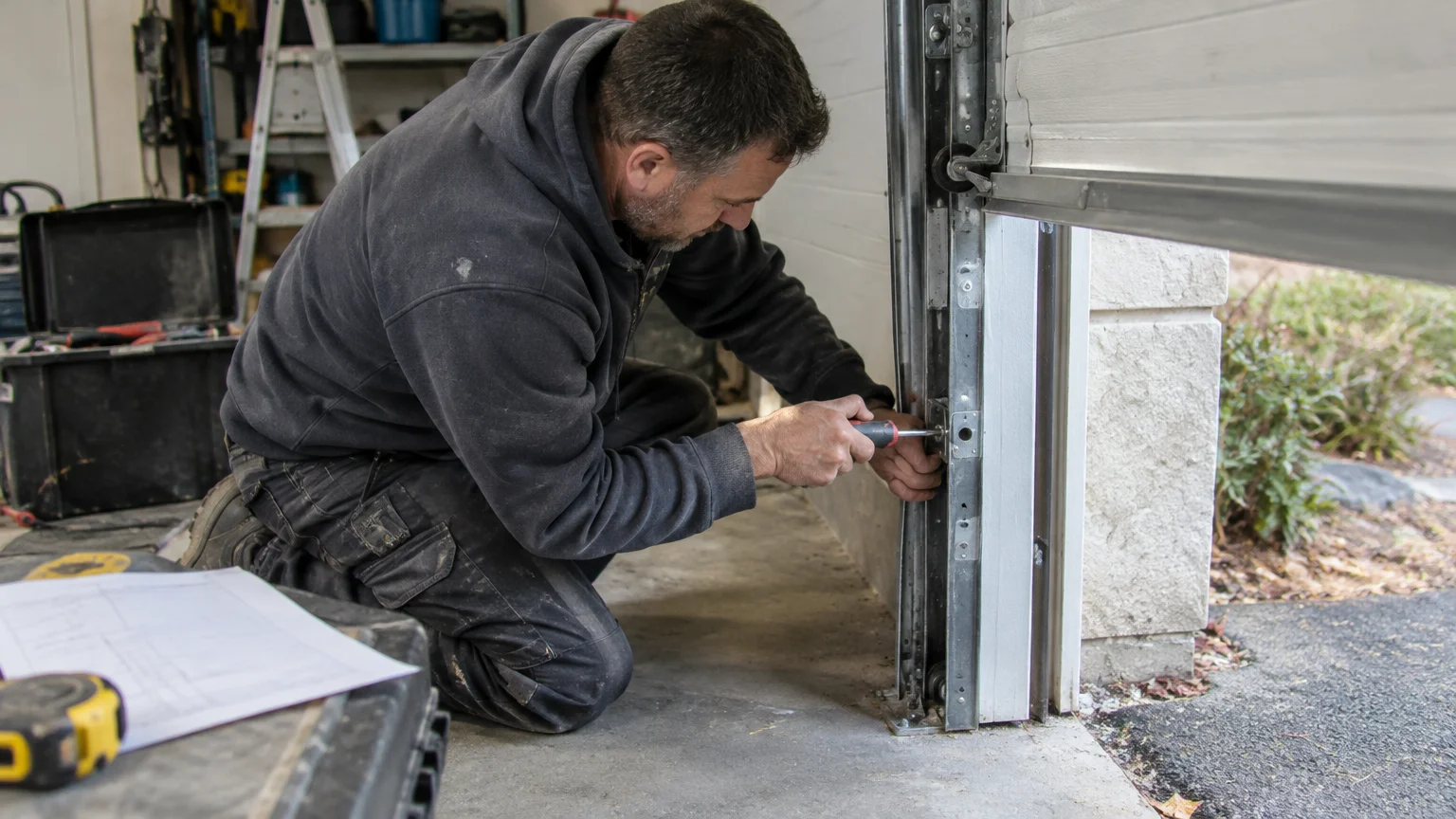
The main factors are door size, door type, material, labor, removal, access, and repairs. A single-car opening often needs different parts from a wide double-car opening. A custom opening may also need more planning before work starts.
The door must fit the opening and move safely. An installer checks the width, height, headroom, side room, and backroom. These measurements affect the tracks, springs, rollers, brackets, and opener. A door that does not fit the space may need more preparation.
How door size, layout, and material affect the installation
A larger door weighs more and may need stronger springs, tracks, and an opener. A tall door or low ceiling may need different hardware. Steel, aluminum, wood, and composite doors also have different weight, care, and mounting needs.
Material affects more than the look. It can change insulation, weather protection, panel strength, and upkeep. A door on an attached garage may need better sealing than a door on a separate storage building.
The best garage door is one that fits the opening and the way you use it. A business may need a strong door for steady use. A homeowner may place more value on quiet movement, insulation, or curb appeal.
Why site conditions can change the work involved
The garage needs a safe work area. Tight access, stored items, low ceilings, damaged tracks, and poor light can make the job harder. A commercial space may also need work around vehicles, shelves, loading areas, or business hours.
The condition of the driveway and garage floor can matter too. Uneven ground may make it harder to move large panels. A crowded space can slow removal and make it harder to protect walls, cars, and other items.
The final cost is confirmed on a quote after the installation needs are checked. Duncan Garage Door Repair can help Duncan property owners understand what the quote includes before work begins.
Which garage door style and material should you choose?
The right style depends on the opening, use, security needs, and look of the property. Sectional doors work well for many homes because their panels travel upward along tracks. Roll-up doors may suit spaces with limited overhead room. Side-hinged doors can fit older homes or special layouts.
No style works for every garage. Headroom, side space, ceiling shape, and daily use all matter. A trained installer can check whether the planned door will work with the current opening.
How sectional, roll-up, side-hinged, and custom doors compare
Sectional doors use horizontal panels that move along tracks. They are common in homes and many small businesses. Roll-up doors coil above the opening and may suit some commercial or compact spaces.
Side-hinged doors swing outward, so they need clear space in front of the garage. Custom doors can match a home’s design more closely. They may need special sizes, panels, windows, finishes, or hardware.
Special features can make the installation more involved than a standard replacement. The installer may need to plan the parts around the opening instead of using common hardware. This is one reason quotes can differ between properties.
What insulation, windows, finishes, and hardware add to the project
Insulated panels can help a garage feel steadier during hot or cold weather. Windows can add daylight, but they may change panel weight and placement. Handles, stronger hinges, special colors, and custom finishes also affect the selected parts.
Choose features that solve a real need. Insulation may help when the garage is used as a workshop. Windows may help when the space needs more daylight. A simple door may be the right choice when the garage is used only for storage.
How much does removing an old garage door add to the job?
Removing an old door adds work when panels, tracks, springs, cables, or an opener must be taken down safely. The work depends on the door’s size, weight, condition, and connection to the garage. Disposal and cleanup may also be part of the installation plan.
Old doors can contain parts under strong tension. Torsion springs and extension springs store energy. Lift cables may remain tight even when the door looks still. Homeowners should not remove these parts themselves. A mistake can cause serious injury or damage to the door, wall, vehicle, or tools.
When old tracks, panels, springs, and openers need separate removal
Some replacement jobs cannot use the old parts with the new door. Old tracks may be bent, worn, or made for a different panel size. An opener may also need removal if its rail, lifting force, controls, or safety features do not match the new door.
Hidden damage may appear after the old parts come down. This can include loose fasteners, cracked framing, rusted supports, and worn weather seals. The quote should explain whether removal, disposal, handling, and preparation are included.
How disposal and preparation affect the installation scope
Large doors and metal tracks need careful handling. The work area should be cleared before the crew arrives. The garage floor, driveway, and nearby walls should be protected from loose parts and debris.
A homeowner can move stored items away from the opening. Children and pets should stay out of the work area. Cleaning the garage floor can also help. Spring, cable, and bottom-bracket removal should remain with a trained professional.
Does installing a new garage door opener change the cost?
Yes, a new opener changes the project because it adds equipment, setup, testing, and safety checks. The opener must match the door’s weight, size, balance, travel, and use. A new door and opener should be planned as one safe system.
An opener is the motorized unit that lifts and lowers the door. It uses a drive system, rail, controls, and safety devices. A weak or worn opener may struggle with a new door, even when the door itself is installed correctly.
How opener type, lifting capacity, and drive system matter
Chain-drive, belt-drive, and wall-mounted openers have different layouts and sound levels. The best choice depends on ceiling space, nearby rooms, side room, and daily use. A heavier door may need an opener with suitable lifting power.
Smart controls, battery backup, lights, and keypad access can add useful features. They should match the property’s needs instead of being chosen only for looks. A business owner may need access control, while a homeowner may prefer quiet movement.
Why door and opener compatibility should be checked together
A door should move smoothly by hand when it is properly balanced. Homeowners should not test spring tension or adjust lifting parts. The opener should not force a door that binds, drags, or sits unevenly.
These problems can damage the system and create a safety risk. Garage Door Opener Repair may help when an existing motor has a simple fault. A full replacement may make more sense when the opener is old, damaged, or not right for the new door.
Duncan Garage Door Repair can review the door and opener together for homes, businesses, and nearby service areas. This check helps the owner understand whether the current unit can stay or should be replaced.
What preparation or structural repairs can affect installation?
Preparation can change the installation when the frame, floor, ceiling, wiring, or mounting points are not ready. A new door needs a sound opening and secure hardware. These conditions may need correction before the door can be fitted.
How damaged framing, uneven floors, and weak mounting points affect the work
Wood around the opening may be split, soft, or loose. A weak header or side jamb may not hold brackets safely. An uneven floor can leave a gap below the door. A damaged threshold can also let in water, dust, or pests.
Some problems may not show until the old door is removed. The quote should name each repair and explain why it matters. Covering a weak area without fixing it can cause poor alignment and early wear.
When electrical access, safety sensors, or weather sealing need attention
A new opener needs a suitable power source and safe control setup. Safety sensors sit near the floor and help stop the door when something crosses the opening. They must be aligned and tested during the installation.
A garage door seal helps close gaps around the sides, top, and bottom. Worn seals may need replacement during the project. Homeowners can clean the opening and report drafts or water entry. Electrical changes and safety device work should be handled by qualified professionals.
Garage door safety also depends on correct balance, secure hardware, and smooth movement. A homeowner can watch and listen for changes during normal use. Repairs involving springs, cables, or brackets need the right tools and training.
Is it more practical to replace the garage door and opener together?
Replacing both can simplify planning when the old opener is worn, unsafe, or not compatible. One coordinated project avoids fitting a new door around outdated hardware. It also lets the door balance, opener, sensors, and controls be checked as one system.
When coordinating both installations can simplify the project
A matching door and opener can reduce fit problems. The installer can choose the rail, motor, mounting points, and controls for the same door design. This may help avoid a later visit because the old opener cannot safely lift the replacement door.
The choice still depends on the existing opener. A newer unit that works well, fits the opening, and meets current safety needs may not need replacement. The installer should inspect it instead of replacing it automatically.
What to consider when an existing opener still works
A working opener may still have worn gears, noisy movement, old sensors, or a rail that does not match the new door. Remote controls and access settings may also need review. Ask whether the current unit suits the planned door.
Garage Door Maintenance can help find wear before a failure stops access. If the door is off track, cables are damaged, or the opener will not run, emergency repair may come first. Safe access matters more than keeping an unsuitable part in service.
How can you compare garage door installation quotes?
Compare quotes by checking the full scope, not only the final figure. Each proposal should name the door style, size, material, insulation, hardware, opener, removal work, disposal, preparation, safety testing, and cleanup. Clear details make different proposals easier to compare.
Which parts of the proposed work should be listed clearly
A useful quote should explain what will be installed and removed. It should also note structural repair, electrical work, weather sealing, special access, and custom features. Ask about any part that is excluded or may need approval after removal begins.
A clear proposal can include:
- The door size, style, material, finish, windows, and insulation
- The tracks, springs, rollers, brackets, seals, and other hardware
- The opener type, drive system, controls, sensors, and battery backup
- Removal, disposal, site preparation, repairs, testing, and cleanup
- The work plan and how changes will be confirmed
Why an on-site assessment confirms the final installation requirements
An on-site assessment lets the installer check details that photos may not show. It can reveal low headroom, tight side space, weak framing, uneven floors, or hidden damage. These details help prevent delays and unsafe shortcuts.
The final cost is confirmed on a quote after the property and installation plan are reviewed. Duncan Garage Door Repair serves homeowners and property owners across the Duncan area. The team helps them understand the work before a garage door is fitted.
Key takeaways
- Door size, material, style, and custom features shape the installation work.
- Removal may include panels, tracks, springs, cables, the opener, and disposal.
- Structural repairs, wiring, sensors, and weather seals may affect the project.
- A new door and opener should be checked for fit and safe operation together.
- The final cost is confirmed after an on-site review and clear written quote.
Frequently Asked Questions
How much is it for garage door installation?
The cost depends on door size, material, design, site access, removal needs, opener choice, and repairs. A basic replacement often involves fewer parts than a custom door with structural work. The final cost for garage door installation is confirmed after the property and project scope are reviewed.
Who repairs garage doors near me?
A local garage door repair company can assess broken springs, damaged cables, off-track doors, and opener faults. Homeowners should choose a provider that explains safety risks and planned work clearly. Duncan Garage Door Repair can assess repair or replacement needs and confirm the next safe step.
Can a homeowner install a garage door?
A homeowner can handle simple preparation, such as clearing the garage and checking for visible damage. Door installation involves heavy panels, springs, cables, brackets, and careful alignment. Spring and cable work should be left to a trained professional because stored tension can cause serious injury.
Should the opener be replaced with the garage door?
Not always. An existing opener may remain suitable if it is compatible, safe, balanced with the new door, and in good shape. Replacement may make more sense when the opener is worn, noisy, weak, outdated, or made for a different door size or weight.
What should a garage door installation quote include?
A quote should describe the door, hardware, opener, removal, disposal, preparation, repairs, safety testing, weather sealing, and cleanup. It should also explain what is excluded and how unexpected conditions will be handled. An on-site assessment helps confirm the installation needs before work begins.
Conclusion
The cost for garage door installation reflects the complete job, not just the door panel. Size, style, material, opener choice, removal, access, structural condition, electrical needs, and safety work all matter. Careful planning helps protect the home, business, vehicles, and people using the garage.
A homeowner should never adjust springs, cables, bottom brackets, or other parts under tension. Simple cleanup and access preparation are safe, but technical installation and hazardous repairs need the right tools and training. Contact us today to arrange an urgent assessment and confirm the installation work your property needs.